

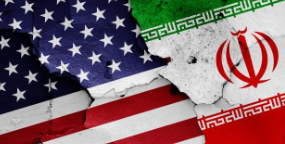
The recent conflict between the United States and Iran may feel sudden, but the tensions fueling the violence today stem from generations ago. What many see now is the culmination of decades of mistrust, revolution, and political intervention. Understanding the roots of this conflict begins to explain why it continues after so long and why resolutions remain difficult.
This conflict stems all the way back to 1953, when the U.S. helped organize a coup that removed Iran’s prime minister, Mohammad Mossadegh, after he nationalized the nation’s oil. Then the U.S. put the Shah into power, an authoritarian rule that fueled resentment from Iranians which explodes in the 1979 Iranian Revolution. Around that time, Iranian students seized the U.S. Embassy and held 52 Americas hostage for over 400 days. Throughout the 1980s to the 1990s, the nations clashed through proxy conflicts, sanctions, and military incidents.
In the 2000s and 2010s, tensions shifted to Iran’s nuclear programs. The United States and its allies then imposed sanctions while Iran expanded its nuclear capabilities and control across the region. In 2015 a nuclear deal mitigated the tension for a short while, but eventually the conflict resumed with new ferocity, with increased cyberattacks and military strikes. By now in the mid-2020s, both countries have been locked into a seemingly endless cycle of retaliation against the other, with each only deepening the conflict between the two. These most recent events are not isolated, but rather the collection of unresolved grievances spanning across decades. This conflict did not begin in 2026, and it will not end any time soon.
Braeden Zupnik • Jun 3, 2026 at 11:33 am
Great article!